So, Who Really Owns Your Data? (Spoiler: You should)
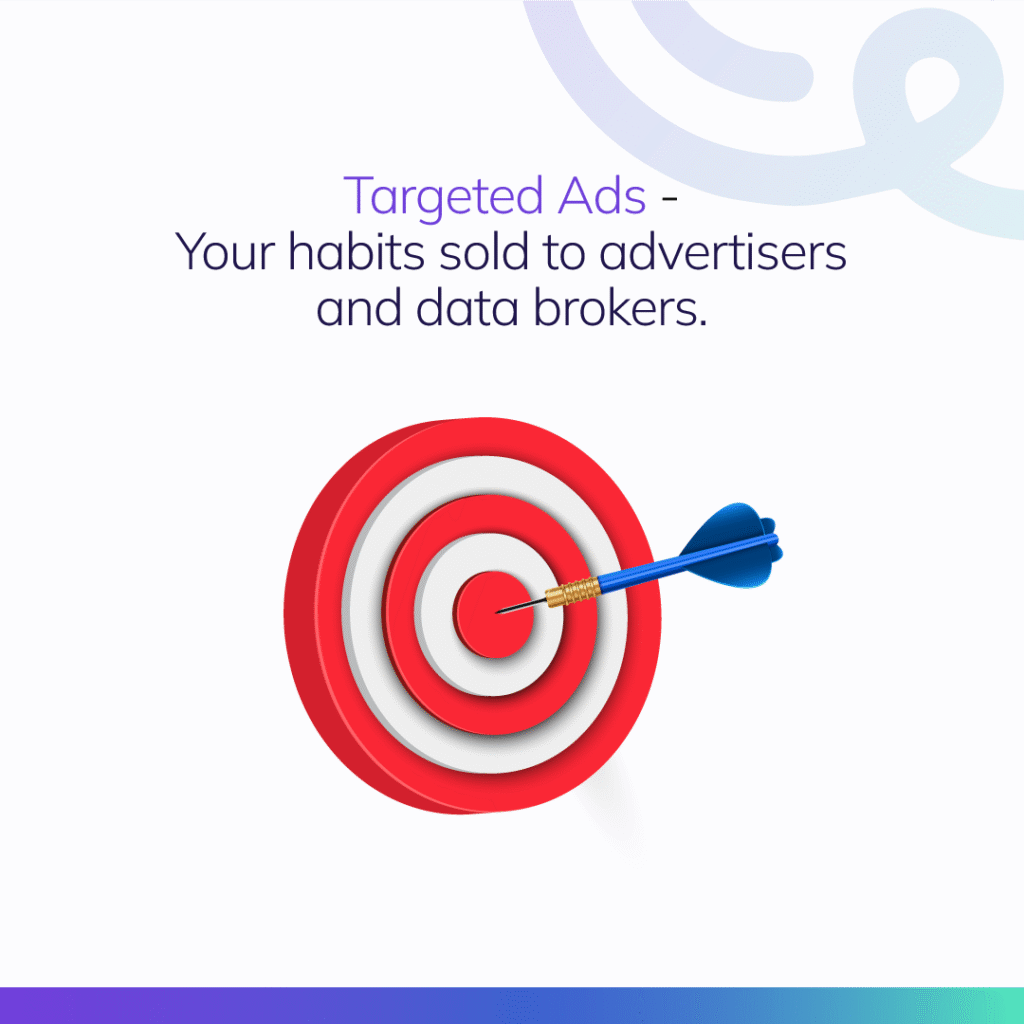
Picture this: It’s 2 a.m. You’re scrolling Instagram and pause on a pair of sneakers for three seconds. Next morning? Those sneakers are following you everywhere. Facebook, YouTube, that random recipe blog. They’re stalking you.
Here’s the wild part: You didn’t even know you were shopping. But someone else did. They’ve already profiled your late-night habits, shoe size, salary, and how likely you are to impulse-buy when tired.
Welcome to the data economy, where you’re not just the customer. You’re also the product.
Quick reality check: Your data is worth approximately $200 per year to tech companies. But, have you been paid? Didn’t think so.
What They’re Really Collecting
When we say “data,” we mean everything.
Just ask Sting and his song about obsessive surveillance that everyone mistakes for a love song? Yeah, that’s basically your apps right now.
Every breath you take. Every photo you take…
Every move you make. Every photo you post…
Every step you take. Every comment you leave…
Every night you stay. Every playlist you make…
Here’s a fun fact that’s not fun: The average app shares your data with 40+ third-party companies. But, can you name five of those companies? No, and that’s the problem.
Why It Actually Matters
Your data isn’t sitting in some file collecting dust. It’s actively being used to:
Change what you pay. Flight prices jump based on demand and timing. Some travel sites show higher prices to repeat visitors. The algorithm is watching.
Control what you see. Algorithms decide your reality online. Your news feed, search results, even dating matches. They’re not showing you truth. They’re keeping you scrolling.
Predict your future. Companies build models to predict major life events before they happen. Employee turnover, major purchases, life changes — did your digital behavior give you away?
Target your vulnerabilities. Are you late-night scrolling? Feeling stressed? Algorithms know precisely when you’re most likely to click, buy, or engage.
Your data isn’t just information. It’s power. And someone else is holding it.
The Ownership Illusion
You take a photo. You own it. That’s the copyright, the intellectual property, the right to say “this is mine.”
You upload it to Instagram. You still own it, but now:
- Access? Instagram can see it anytime, forever. Even if you delete the app. Their servers keep copies for “technical reasons.
- Control? You can delete it from your profile, but you can’t control what Instagram does with it behind the scenes. They’re feeding it to their AI to train models, using it to analyze trends, and showing patterns to advertisers.
- Custody? It’s not just on your phone anymore. It lives on Instagram’s servers, backup servers, content delivery networks and maybe some cloud storage in three different countries.
You own it on paper, but Instagram has access to it, significant control over how it’s used, and custody of where it actually lives.
It’s like owning a car, but someone else has the keys, decides when you can drive it, and parks it wherever they want.
Myths To Retire
“If it’s on my phone, it’s mine.” Cloud backups and syncs mean your data has sleepovers you don’t know about.
“Deleted means gone.” Copies, caches, and screenshots outlive your gym membership.
“I have nothing to hide.” You close the bathroom door. Privacy isn’t about hiding. It’s about choosing.
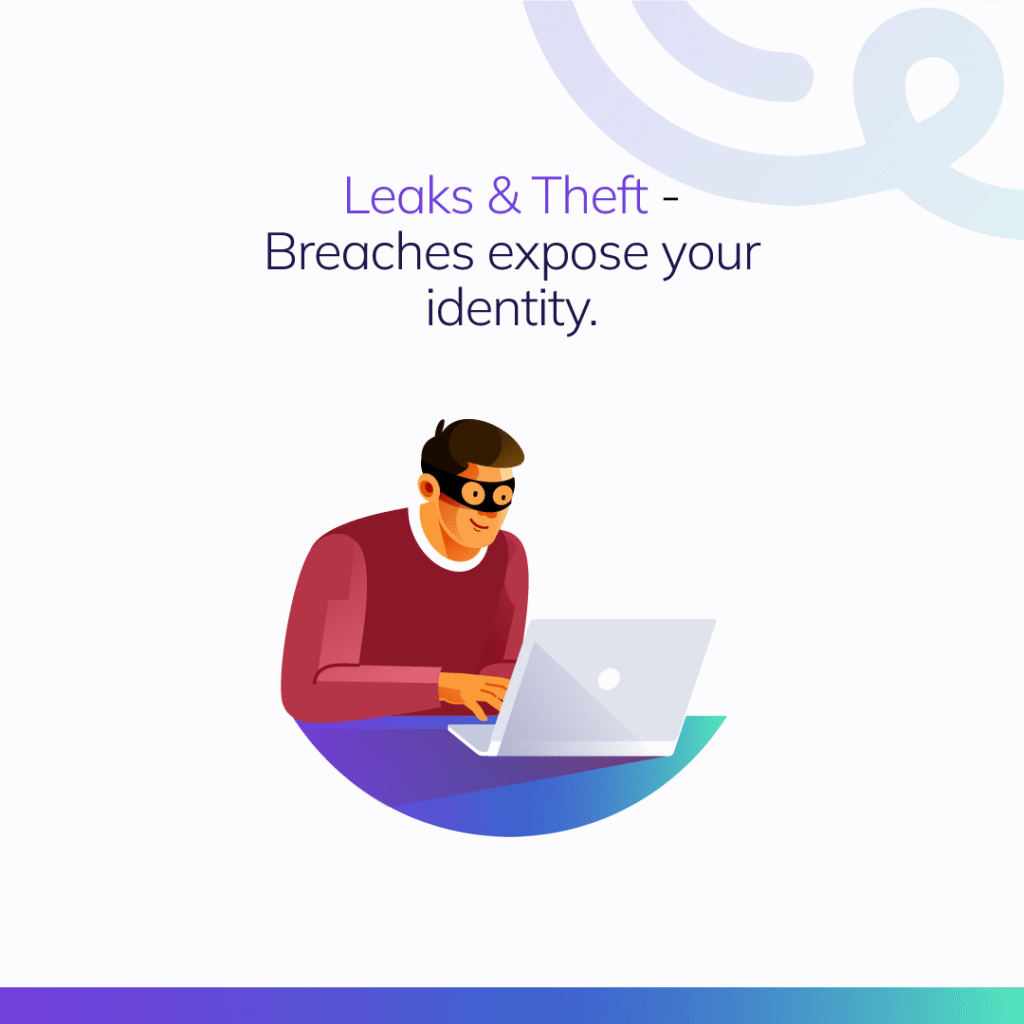
The receipts: In 2019, period tracking apps were caught sharing intimate health data with Facebook. Pregnancy status, cycle dates, and sexual activity. Without clear consent.
How To Take Back Control
You don’t need to go off-grid. Just start paying attention:
- Check before you click “I agree.” If an app wants your contacts, camera, microphone, and firstborn, reconsider.
- Audit your settings regularly. See who’s at your data party. Kick out the 2019 lurkers.
- Turn off unnecessary permissions. Your flashlight doesn’t need your location.
- Use actual passwords. Not “password123” or your dog’s name plus birth year. Hackers have Google, too.
- Share less. Not everything needs to be posted. Some moments can just exist. The mystery adds to your appeal.
- Know your rights. Data protection laws are spreading globally — from GDPR in Europe to CCPA in California to PDPA in Asia. Many give you the right to access, download and delete your data. Use them.
The Bottom Line
Your data is a digital version of you. Right now, others are using it to make money and decisions without asking.
But you can change that.
When you know what you create, where it lives and who’s using it, you stop being the product. You become the one in control. That’s the glow-up we all deserve.
It’s your data. Your choice. Your move.
CheckD’s here to help you keep it that way. Safely, smartly, with confidence.
Because privacy isn’t boring anymore. It’s just good self-respect for your digital self.